Person Centered Therapy:
You Are the Expert on Your Own Life
Person Centered Therapy: You Are the Expert on Your Own Life
Online Person Centered Counseling in Indiana, Illinois, and Colorado
Online Person Centered Counseling in Indiana, Illinois, and Colorado
ANTHEM | BCBS | AENTA | CIGNA
CARELON | ASCENSION | PRIVATE PAY
Some people come to therapy wanting a specific technique for a specific problem. Others come because something is not right and they need room to work out what, with someone who will not rush them toward a conclusion. Person Centered Therapy is built for the second experience. It rests on the idea that you already know more about your life than anyone else does, and that what you often need is not advice but a relationship steady enough to think inside of. Your therapist brings genuine attention, acceptance without conditions, and a real effort to understand your experience from the inside. You bring the direction.
ANTHEM | BCBS | AETNA | CIGNA | CARELON | ASCENSION | PRIVATE PAY
What is Person Centered Therapy?
Person Centered Therapy changed the field of psychology by reversing who holds authority in the room. Rather than the therapist diagnosing a problem and prescribing a solution, the individual sets the direction, and the therapist's role is to create conditions that make growth possible.
Rogers identified three conditions as central to that work. Genuineness means the therapist shows up as a real person rather than an expert behind a role. Unconditional positive regard means you are accepted as you are, including the parts you expect to be judged for. Empathic understanding means the therapist works to grasp your experience as you actually live it, and checks whether they have it right rather than assuming.
The premise underneath all of it is that people move toward growth on their own when the conditions allow for it, and that most of what blocks that movement is the experience of having been judged, dismissed, or told who to be. Remove those conditions and clarity tends to follow.
What Person Centered Therapy Helps With
Person Centered Therapy fits a wide range of concerns, and it is especially useful when the issue is less about a specific symptom and more about how you relate to yourself:
Low self worth and harsh self criticism
Feeling disconnected from what you want or who you are
Life transitions and decisions with no obvious right answer
Anxiety and depression, particularly when tied to self judgment
Grief and loss
Relationship difficulties and patterns of losing yourself in others
Feeling unheard by the people around you
Living according to expectations that were never yours
Starting therapy without a clear problem to name
Wanting support without a structured treatment plan
What Person Centered Therapy Sessions Look Like
Sessions are unstructured by design. There is no agenda set in advance, no worksheet, and no homework unless you want it. You bring what is present for you that week, and the session goes where that takes it.
Your therapist listens closely and reflects back what they are hearing, both the content and the feeling underneath it, and checks whether they have understood you correctly. That reflecting is not a filler technique. Hearing your own experience returned accurately by another person is often the thing that makes it possible to see it clearly yourself.
You may notice that your therapist rarely tells you what to do. They will offer observations, and they will be honest with you, but they will not steer you toward the conclusion they would reach. If you ask directly for input, you will get a real answer rather than a deflection.
Sessions are held entirely online through a secure, private video platform. There is no set number of sessions, and the work continues as long as it is useful to you.
Person Centered Therapy's Effectiveness
Person Centered Therapy has been studied for decades, and the research points to a conclusion that surprises people: it works about as well as the more structured approaches it is often compared to.
When researchers have looked at people treated with Person Centered Therapy alongside people treated with approaches like Cognitive Behavioral Therapy, the results tend to come out similar for common concerns including depression and anxiety. There is a reason for that. Across all of therapy research, one of the strongest predictors of whether therapy helps is the quality of the relationship between you and your therapist. That relationship is not a nice extra on top of the real work in Person Centered Therapy. It is the work.
Much of what you would expect from any decent therapist today came from this tradition. Being listened to without judgment, being treated as capable, having your therapist check whether they understood you correctly, all of that started here and spread everywhere else.
Online Person Centered Counseling in Indiana, Illinois, and Colorado
Lotus Counseling Services provides Person Centered Therapy to individuals across Indiana, Illinois, and Colorado through secure online sessions.
Because this approach depends on the relationship rather than on materials or exercises, it translates to video without losing anything essential. What it does require is finding a therapist you actually connect with. Working online widens the pool considerably, since you are choosing from therapists across your entire state rather than the ones within driving distance.
We accept Anthem, Blue Cross Blue Shield, Aetna, Cigna, Carelon, Ascension, and many EAP plans. Private pay options are also available.
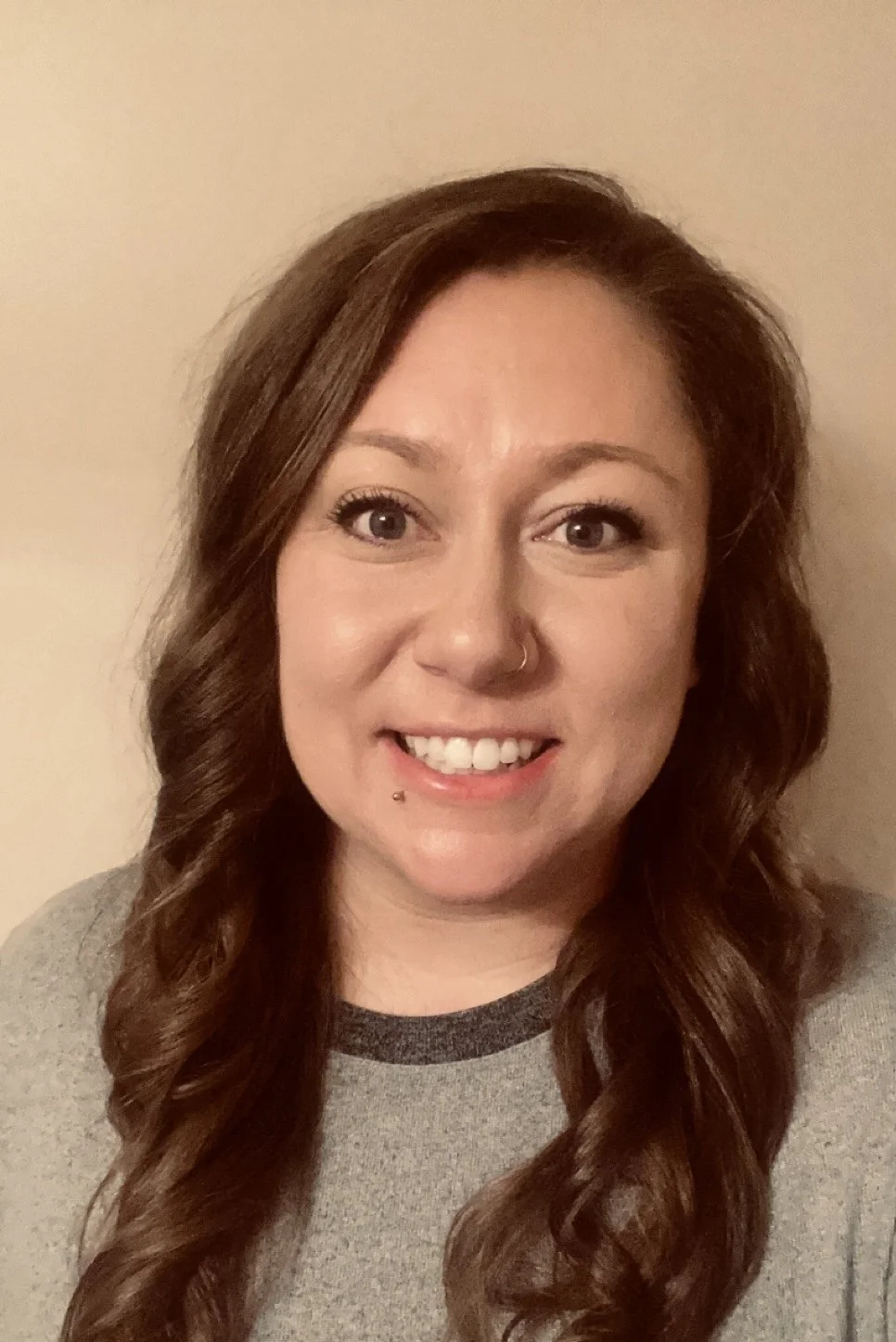
Meet Our Person Centered Therapists
Select any therapist to view their full bio and request an appointment.



Google Reviews
Anonymous Client Testimonials
Frequently Asked Questions
-
It is conversation rather than exercises, but that is not the same as talking with a friend. Your therapist is tracking patterns, reflecting what they hear with precision, and holding a kind of attention that is rare in ordinary conversation. What makes it therapeutic is the quality of that attention.
-
Sparingly, and not as the main event. The approach holds that answers you arrive at yourself tend to hold up better than answers handed to you. If you ask your therapist directly what they think, you will get an honest response rather than a question turned back on you.
-
There is no set length. Some people come for a few months around a specific transition, others continue longer. Because the work follows your direction rather than a protocol, you and your therapist will revisit what is useful as you go.
-
Yes. Research on humanistic and experiential therapies has found outcomes broadly comparable to other established approaches for common concerns including depression. If you want a more structured skills based approach, your therapist can also draw on Cognitive Behavioral Therapy or Acceptance and Commitment Therapy.
-
That is a completely workable starting point, and a Person Centered approach is better suited to it than most. You do not need a diagnosis, a goal, or a clear problem statement to begin.
-
Yes. Person Centered Therapy focuses on the therapeutic relationship, which translates to video. All of our sessions are held over a secure, private video platform.
-
We accept Anthem, Blue Cross Blue Shield, Aetna, Cigna, Carelon, Ascension, and many EAP plans. Private pay sessions are $150. If you have questions about your coverage, reach out and we will help you sort it out.
Ready to Take the First Step?
You've already done something brave by looking for support. Our experienced therapists are here to help you move forward, at a pace that works for you. Reach out today to get matched with a therapist and schedule your first session.