

Care That Fits Your Needs
Virtual therapy for individuals in Indiana, Illinois, and Colorado. Whether you're navigating trauma, anxiety, depression, addiction, grief, or the weight of everyday life, we're here to help you find your way through it.
What We Treat
-
Trauma doesn't always look like a single dramatic event. It can come from years of emotional neglect, a painful relationship, a loss, or an experience you've never quite been able to put into words. Whatever you've been through, therapy can help you process it at your own pace, in a way that feels safe. Our clinicians are trained in evidence-based trauma treatment and will meet you exactly where you are.
-
Anxiety has a way of making everything feel urgent and nothing feel manageable. If you're stuck in cycles of worry, avoidance, or overthinking, you don't have to keep white-knuckling your way through it. We help people understand what's driving their anxiety and build real tools for living with less of it.
-
Depression isn't just sadness. It can look like exhaustion, disconnection, going through the motions, or a quiet sense that something is missing. If you've been feeling this way, therapy can help you understand what's underneath it and start to feel like yourself again. Our clinicians work with adults experiencing mild to severe depression.
-
Addiction takes many forms. Whether you're struggling with alcohol, drugs, or process addictions like gambling, pornography, or compulsive behaviors, the underlying patterns often have more in common than they have differences. We offer a non-judgmental space to explore your relationship with these behaviors, understand what's driving them, and figure out what a healthier path forward looks like for you.
-
Loss has a way of reshaping everything around it, often in ways you didn't expect and can't quite explain to the people in your life. Whether you're mourning a death, a relationship, a version of your life you expected to have, or something harder to name, we can help you carry it. Our therapists understand that loss takes many shapes and that healing rarely looks like "getting over it."
-
The way you see yourself shapes more of your life than most people realize. It influences the relationships you stay in, the risks you take, the way you speak to yourself when things go wrong. If you've been carrying a quiet sense of not being enough, or feeling like your worth is something you have to constantly prove, therapy can help you start to untangle where that came from and build a steadier, more loving sense of self in its place.
-
Struggling with how you see your body, or with your relationship with food, can be exhausting and isolating. These experiences often run much deeper than food or appearance and are connected to anxiety, trauma, control, and self-worth. We offer individual therapy for adults working through body image concerns and disordered eating patterns, in a supportive, weight-neutral environment.
-
Life has a way of piling up. Work pressure, financial stress, major transitions, burnout, caregiving, relationship strain, and the general weight of keeping everything together can take a real toll, even when it's hard to point to one specific cause. These experiences are valid, they're common, and they're exactly what therapy is for. We help adults make sense of what they're carrying, develop tools for managing it, and find their footing again.
-
Relationships shape so much of how we feel day to day, and when they're struggling, it can affect everything else. Whether you're working through conflict with a partner, navigating difficult family dynamics, healing from a painful relationship, or trying to understand your own patterns in how you connect with others, individual therapy can be a meaningful part of that process. We provide a supportive space to explore what's happening in your relationships and work toward something healthier.
-
Trauma doesn't always look like a single dramatic event. It can come from years of emotional neglect, a painful relationship, a loss, or an experience you've never quite been able to put into words. Whatever you've been through, therapy can help you process it at your own pace, in a way that feels safe. Our clinicians are trained in evidence-based trauma treatment and will meet you exactly where you are.
-
Anxiety has a way of making everything feel urgent and nothing feel manageable. If you're stuck in cycles of worry, avoidance, or overthinking, you don't have to keep white-knuckling your way through it. We help people understand what's driving their anxiety and build real tools for living with less of it.
-
Depression isn't just sadness. It can look like exhaustion, disconnection, going through the motions, or a quiet sense that something is missing. If you've been feeling this way, therapy can help you understand what's underneath it and start to feel like yourself again. Our clinicians work with individuals experiencing mild to severe depression.
-
Addiction takes many forms. Whether you're struggling with alcohol, drugs, or process addictions like gambling, pornography, or compulsive behaviors, the underlying patterns often have more in common than they have differences. We offer a non-judgmental space to explore your relationship with these behaviors, understand what's driving them, and figure out what a healthier path forward looks like for you.
-
Loss has a way of reshaping everything around it, often in ways you didn't expect and can't quite explain to the people in your life. Whether you're mourning a death, a relationship, a version of your life you expected to have, or something harder to name, we can help you carry it. Our therapists understand that loss takes many shapes and that healing rarely looks like "getting over it."
We treat the following concerns through individual therapy.
-
The way you see yourself shapes more of your life than most people realize. It influences the relationships you stay in, the risks you take, the way you speak to yourself when things go wrong. If you've been carrying a quiet sense of not being enough, or feeling like your worth is something you have to constantly prove, therapy can help you start to untangle where that came from and build a steadier, more loving sense of self in its place.
-
Struggling with how you see your body, or with your relationship with food, can be exhausting and isolating. These experiences often run much deeper than food or appearance and are connected to anxiety, trauma, control, and self-worth. We offer individual therapy for adults working through body image concerns and disordered eating patterns, in a supportive, weight-neutral environment.
-
Life has a way of piling up. Work pressure, financial stress, major transitions, burnout, caregiving, relationship strain, and the general weight of keeping everything together can take a real toll, even when it's hard to point to one specific cause. These experiences are valid, they're common, and they're exactly what therapy is for. We help adults make sense of what they're carrying, develop tools for managing it, and find their footing again.
-
Relationships shape so much of how we feel day to day, and when they're struggling, it can affect everything else. Whether you're working through conflict with a partner, navigating difficult family dynamics, healing from a painful relationship, or trying to understand your own patterns in how you connect with others, individual therapy can be a meaningful part of that process. We provide a supportive space to explore what's happening in your relationships and work toward something healthier.
How We Treat
Our clinicians draw from a range of evidence-based approaches, tailoring treatment to what actually fits you rather than applying a one-size-fits-all method.
-
CBT is one of the most widely used approaches in therapy, with decades of research supporting its effectiveness across a broad range of concerns. It works by helping you recognize the connections between your thoughts, feelings, and behaviors, and building new patterns that support the changes you want to make. Rather than simply talking through problems, CBT is active and skill-focused, giving you concrete strategies to practice between sessions. Over time, those small shifts in thinking and behavior add up to meaningful, lasting change. It's a particularly good fit for people who appreciate having a clear framework and tangible tools to work with.
-
ACT is built around a simple but powerful idea: that struggling against uncomfortable thoughts and feelings often makes them worse, not better. Rather than trying to eliminate anxiety, sadness, or self-doubt, ACT helps you change your relationship with those experiences so they have less power over your choices and your life. One core skill is learning to observe your thoughts without being controlled by them, recognizing that a thought is just a thought, not a fact or a command. ACT also places a strong emphasis on identifying your personal values and taking action aligned with them, even when difficult emotions are present. Many people find it particularly helpful for anxiety, depression, and the kind of stuck feeling that comes from years of trying to think or push your way out of something.
-
DBT was originally developed for people who experience emotions intensely, but its skills have proven helpful across a wide range of challenges. It focuses on four core areas: mindfulness, distress tolerance, emotional regulation, and interpersonal effectiveness. Together, these skills help you navigate difficult situations more effectively, understand and respond healthily to painful emotions, and communicate your needs in ways that actually work. DBT strikes a unique balance between accepting yourself as you are and building the skills to create meaningful change. It's a practical, structured approach that gives you real tools to use in your everyday life, not just inside the therapy room.
-
EMDR is a therapy designed specifically to help people process and heal from trauma and distressing life experiences. It uses bilateral stimulation, a technique that activates both sides of the brain through guided eye movements, tapping, or auditory tones, to help the brain reprocess memories that feel frozen or overwhelming. When a distressing memory hasn't been fully processed, it can continue to affect how you feel, think, and respond in the present, often in ways that are hard to connect back to the original experience. EMDR works to change how those memories are stored so they lose their emotional intensity and no longer intrude on daily life. Many people find that EMDR helps them move through experiences that talk therapy alone hasn't been able to reach. Please inquire about availability, as EMDR is offered by a specific clinician within our practice.
-
CPT is a therapy developed specifically for trauma and PTSD that focuses on the beliefs formed in the aftermath of painful experiences. Trauma often leaves people with thoughts like "it was my fault," "I should have done something differently," or "I can't trust anyone," and these beliefs can quietly shape how you see yourself and the world long after the event itself. CPT helps you identify those stuck points, examine where they came from, and work toward a more balanced and compassionate perspective. The approach involves both in-session conversation and between-session reflection, giving you the space to process at your own pace. Many people find that CPT helps them reclaim a sense of safety, self-worth, and agency that trauma had taken away.
-
Motivational Interviewing is a collaborative, non-judgmental approach that helps you explore your own feelings about change. It's especially useful when part of you wants things to be different and another part isn't sure, which is a very normal and human place to be. Rather than pushing you toward a particular outcome, your therapist helps you examine what's holding you back, clarify what matters to you, and strengthen your own motivation to move forward. It's commonly used in work around substance use and addiction, but it's equally valuable for anyone navigating a difficult decision or a pattern they've been wanting to shift. The goal is for change to feel self-directed and sustainable, not something imposed from the outside.
-
Trauma-informed care is a framework that shapes how we approach every part of the therapeutic relationship, not just the moments when trauma is the explicit focus. It starts from the understanding that many of the struggles people bring to therapy, including anxiety, depression, difficulty in relationships, and low self-worth, are often connected to past experiences of harm, loss, or instability. A trauma-informed approach means your therapist is always attentive to your sense of safety, your pace, and your autonomy in the room. It also means avoiding approaches that could feel retraumatizing, and building the kind of trust that makes deeper work possible. All of our clinicians practice from a trauma-informed lens. It's the foundation of how we work.
-
Person-centered therapy is grounded in the belief that you are the expert on your own life and that meaningful change happens best in a relationship built on genuine trust and understanding. Your therapist's role is to offer consistent empathy, honesty, and a space where you feel truly heard, without judgment or an agenda about where you should end up. This approach creates the conditions for you to explore your experiences more openly and develop greater self-awareness and self-trust over time. Person-centered therapy is especially meaningful for people who have felt dismissed, unseen, or misunderstood in life or in previous therapy experiences. It often serves as the relational foundation underneath other therapeutic approaches, shaping the quality of the therapeutic relationship even when other techniques are being used.
-
Art therapy uses creative expression as a pathway into experiences that can be difficult to reach through words alone. Integrating creative activities into therapy can help surface emotions, patterns, and memories that might stay hidden in traditional talk therapy. You don't need any artistic skill or experience. The focus is never on the quality of what you create but on what the process reveals and what it makes possible. Art therapy can be particularly helpful for trauma, anxiety, and experiences that feel too overwhelming or too formless to put into language. Please inquire about availability, as art therapy is offered by a specific clinician serving Illinois and Colorado.
Our Integrative Approach
Most people don't fit neatly into one therapeutic box, and effective therapy rarely looks exactly the same from one person to the next. Our clinicians are trained across multiple evidence-based approaches and draw from them flexibly, combining what research supports with what actually fits you as an individual. That might mean using CBT skills to address anxious thinking while also bringing in trauma-informed practices to work with the deeper roots of that anxiety. It might mean starting with a person-centered foundation to build trust before moving into more structured work. An integrative approach requires your therapist to stay curious and responsive throughout the process, adjusting as your needs evolve rather than following a fixed script. The result is care that is thoughtful, personalized, and built around your specific goals.
-
CBT is one of the most widely used approaches in therapy, with decades of research supporting its effectiveness across a broad range of concerns. It works by helping you recognize the connections between your thoughts, feelings, and behaviors, and building new patterns that support the changes you want to make. Rather than simply talking through problems, CBT is active and skill-focused, giving you concrete strategies to practice between sessions. Over time, those small shifts in thinking and behavior add up to meaningful, lasting change. It's a particularly good fit for people who appreciate having a clear framework and tangible tools to work with.
-
ACT is built around a simple but powerful idea: that struggling against uncomfortable thoughts and feelings often makes them worse, not better. Rather than trying to eliminate anxiety, sadness, or self-doubt, ACT helps you change your relationship with those experiences so they have less power over your choices and your life. One core skill is learning to observe your thoughts without being controlled by them, recognizing that a thought is just a thought, not a fact or a command. ACT also places a strong emphasis on identifying your personal values and taking action aligned with them, even when difficult emotions are present. Many people find it particularly helpful for anxiety, depression, and the kind of stuck feeling that comes from years of trying to think or push your way out of something.
-
DBT was originally developed for people who experience emotions intensely, but its skills have proven helpful across a wide range of challenges. It focuses on four core areas: mindfulness, distress tolerance, emotional regulation, and interpersonal effectiveness. Together, these skills help you navigate difficult situations more effectively, understand and respond healthily to painful emotions, and communicate your needs in ways that actually work. DBT strikes a unique balance between accepting yourself as you are and building the skills to create meaningful change. It's a practical, structured approach that gives you real tools to use in your everyday life, not just inside the therapy room.
-
Person-centered therapy is grounded in the belief that you are the expert on your own life and that meaningful change happens best in a relationship built on genuine trust and understanding. Your therapist's role is to offer consistent empathy, honesty, and a space where you feel truly heard, without judgment or an agenda about where you should end up. This approach creates the conditions for you to explore your experiences more openly and develop greater self-awareness and self-trust over time. Person-centered therapy is especially meaningful for people who have felt dismissed, unseen, or misunderstood in life or in previous therapy experiences. It often serves as the relational foundation underneath other therapeutic approaches, shaping the quality of the therapeutic relationship even when other techniques are being used.
-
Art therapy uses creative expression as a pathway into experiences that can be difficult to reach through words alone. Integrating creative activities into therapy can help surface emotions, patterns, and memories that might stay hidden in traditional talk therapy. You don't need any artistic skill or experience. The focus is never on the quality of what you create but on what the process reveals and what it makes possible. Art therapy can be particularly helpful for trauma, anxiety, and experiences that feel too overwhelming or too formless to put into language. Please inquire about availability, as art therapy is offered by a specific clinician serving Illinois and Colorado.
-
CPT is a therapy developed specifically for trauma and PTSD that focuses on the beliefs formed in the aftermath of painful experiences. Trauma often leaves people with thoughts like "it was my fault," "I should have done something differently," or "I can't trust anyone," and these beliefs can quietly shape how you see yourself and the world long after the event itself. CPT helps you identify those stuck points, examine where they came from, and work toward a more balanced and compassionate perspective. The approach involves both in-session conversation and between-session reflection, giving you the space to process at your own pace. Many people find that CPT helps them reclaim a sense of safety, self-worth, and agency that trauma had taken away.
-
EMDR is a therapy designed specifically to help people process and heal from trauma and distressing life experiences. It uses bilateral stimulation, a technique that activates both sides of the brain through guided eye movements, tapping, or auditory tones, to help the brain reprocess memories that feel frozen or overwhelming. When a distressing memory hasn't been fully processed, it can continue to affect how you feel, think, and respond in the present, often in ways that are hard to connect back to the original experience. EMDR works to change how those memories are stored so they lose their emotional intensity and no longer intrude on daily life. Many people find that EMDR helps them move through experiences that talk therapy alone hasn't been able to reach. Please inquire about availability, as EMDR is offered by a specific clinician within our practice.
-
Motivational Interviewing is a collaborative, non-judgmental approach that helps you explore your own feelings about change. It's especially useful when part of you wants things to be different and another part isn't sure, which is a very normal and human place to be. Rather than pushing you toward a particular outcome, your therapist helps you examine what's holding you back, clarify what matters to you, and strengthen your own motivation to move forward. It's commonly used in work around substance use and addiction, but it's equally valuable for anyone navigating a difficult decision or a pattern they've been wanting to shift. The goal is for change to feel self-directed and sustainable, not something imposed from the outside.
-
Trauma-informed therapy is a framework that shapes how we approach every part of the therapeutic relationship, not just the moments when trauma is the explicit focus. It starts from the understanding that many of the struggles people bring to therapy, including anxiety, depression, difficulty in relationships, and low self-worth, are often connected to past experiences of harm, loss, or instability. A trauma-informed approach means your therapist is always attentive to your sense of safety, your pace, and your autonomy in the room. It also means avoiding approaches that could feel retraumatizing, and building the kind of trust that makes deeper work possible. All of our clinicians practice from a trauma-informed lens. It's the foundation of how we work.
Clinician Specialties

Jessica Noesen, LCPC, LMHC
Addiction, Anxiety, Depression
DBT, ACT, CBT, CPT, MI
Serving Indiana, Illinois, and Colorado
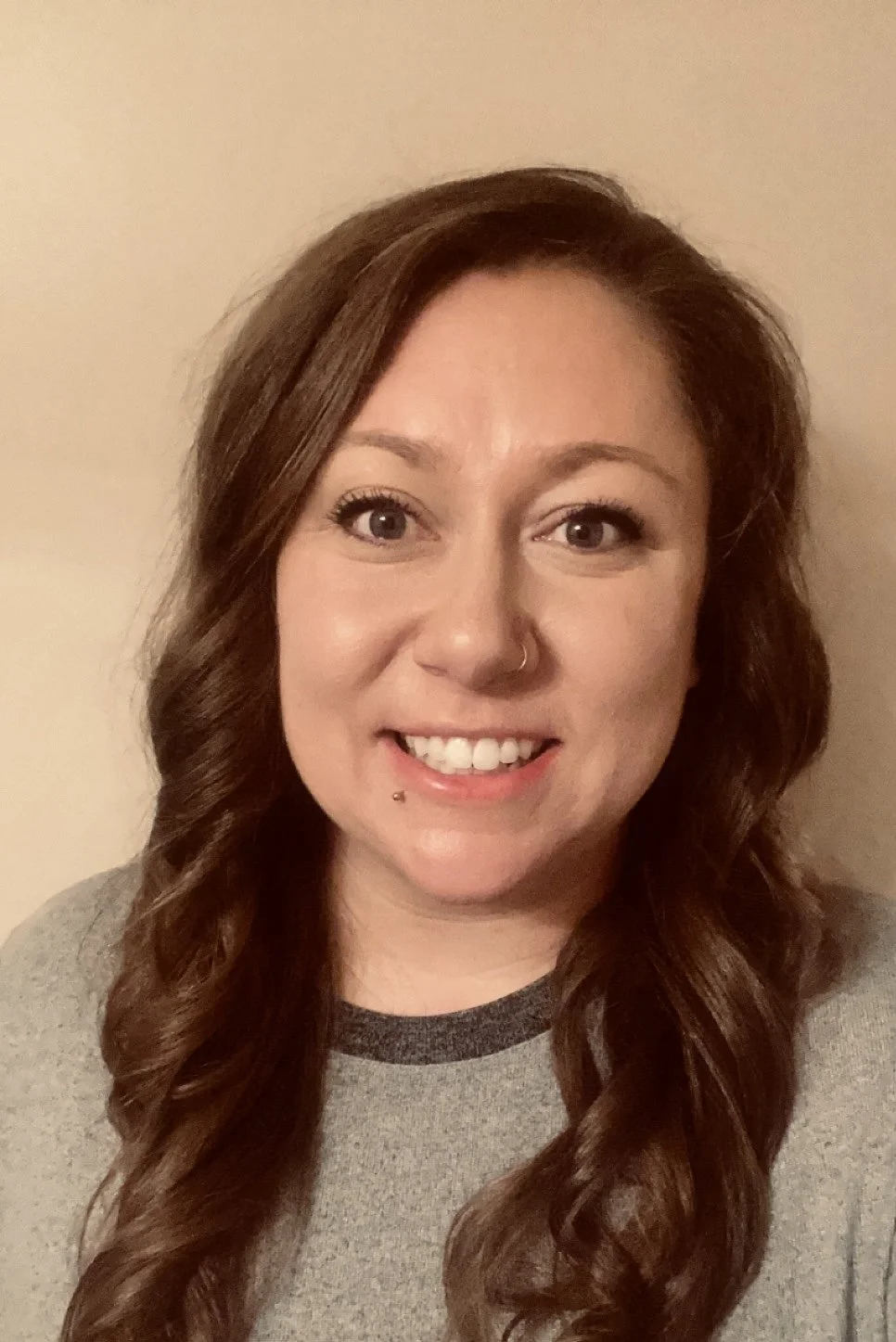
Halie Gonlag, LCSW
Trauma, Grief & Loss, Depression
EMDR, CBT, MI
Serving Indiana

Stephanie Muro, LPCC
Anxiety, Depression, Life Stressors
CBT, DBT, Art Therapy
Serving Illinois and Colorado

Samantha Zaremba, LMHCA
Body Image, Depression, Trauma
DBT, CBT, CPT, ACT
Serving Indiana
Each of our clinicians brings their own areas of specialty and deeper training, but that doesn't mean you need to arrive with a clear diagnosis or a perfectly defined problem. Most of our therapists are skilled in treating a wide range of the concerns listed here, and many challenges overlap in ways that make a flexible, well-rounded clinician the best fit anyway. When you reach out, we'll take the time to understand what you're navigating and connect you with the clinician best suited to support you.