Online Substance Use Therapy for When Cutting Back Is Harder Than It Should Be
Online Substance Use Therapy
for When Cutting Back Is Harder Than It Should Be
Counseling for Substance Use and Addiction in Indiana, Illinois, and Colorado
ANTHEM | BCBS | AETNA | CIGNA
CARELON | ASCENSION | PRIVATE PAY
Call | Text | Send a Message
Counseling for Substance Use and Addiction in Indiana, Illinois, and Colorado
Substance use or another habit becomes a concern when it starts taking more from your life than it gives back. Maybe it's drinking, drugs, gambling, or something you keep turning to even though you wish you wouldn't. You might be wondering whether it's a problem, trying to cut back, or working to protect your recovery. Lotus Counseling Services offers online therapy for substance use and addiction to individuals in Indiana, Illinois, and Colorado, so you can get support from home or anywhere private in your state.
ANTHEM | BCBS | AETNA | CIGNA | CARELON | ASCENSION | PRIVATE PAY
Call | Text | Send a Message
Understanding Substance Use and Addiction
Addiction exists on a spectrum. Many people who struggle with alcohol, drugs, or a behavior they can't seem to stop don't fit the picture of "addiction" they have in their heads, and you don't need a label to ask for help. What matters is how it's affecting your health, your relationships, your life, and the way you feel about yourself.
Common signs that substance use or another habit is becoming a problem include:
Doing it more, or for longer, than you meant to
Trying to cut back and finding it harder than you expected
Needing more, or bigger risks, to feel the same effect
Thinking about it often, or planning your day around it
Missing work, family time, or responsibilities because of it
Turning to it to cope with stress, anxiety, sadness, or boredom
Hiding how much you do it, or feeling guilty afterward
Continuing even when it causes problems with money, health, relationships, or other important aspects of life
Our therapists work with concerns related to alcohol, cannabis, prescription medications, stimulants, and other substances. Many of the same patterns show up with gambling, gaming, shopping, and phone or social media use, and therapy can help with those too. We also support people in recovery who want ongoing care, and people whose struggles show up alongside anxiety, depression, or trauma.
Change rarely happens in a straight line, and therapy doesn't ask you to have everything figured out on day one. Your therapist will start where you are, whether that means exploring your relationship with a substance or habit, setting goals to cut back, or protecting the progress you've already made. All of our therapists practice Integrative Therapy, so your care is shaped around your goals.
Motivational Interviewing (MI) helps you sort through mixed feelings about change and find your own reasons to move forward, without pressure or lectures.
Cognitive Behavioral Therapy (CBT) helps you notice the thoughts, feelings, and situations that lead to using or acting on urges, and build new ways to respond.
Dialectical Behavior Therapy (DBT) teaches skills for riding out cravings and urges, getting through hard moments, and handling strong emotions in healthier ways.
Acceptance and Commitment Therapy (ACT) helps you make room for urges and uncomfortable feelings while taking steps toward what matters most to you.
Person Centered Therapy offers a nonjudgmental space where you are treated as the expert on your own life.
How We Treat Substance Use and Addiction
What Online Addiction Therapy Looks Like
Online therapy lets you meet with your therapist by secure video from home or any private space, as long as you are in your state and not driving. There's no waiting room, which matters to a lot of people who value privacy.
Early sessions focus on understanding the substance or habit, what it does for you, and what you'd like to be different. Your goals are yours to set, whether that's cutting back, stopping completely, staying sober, or finding healthier limits with something you can't avoid entirely, like your phone. Your therapist can also help you connect with other support, like your doctor or a support group, if you'd like more care alongside therapy.
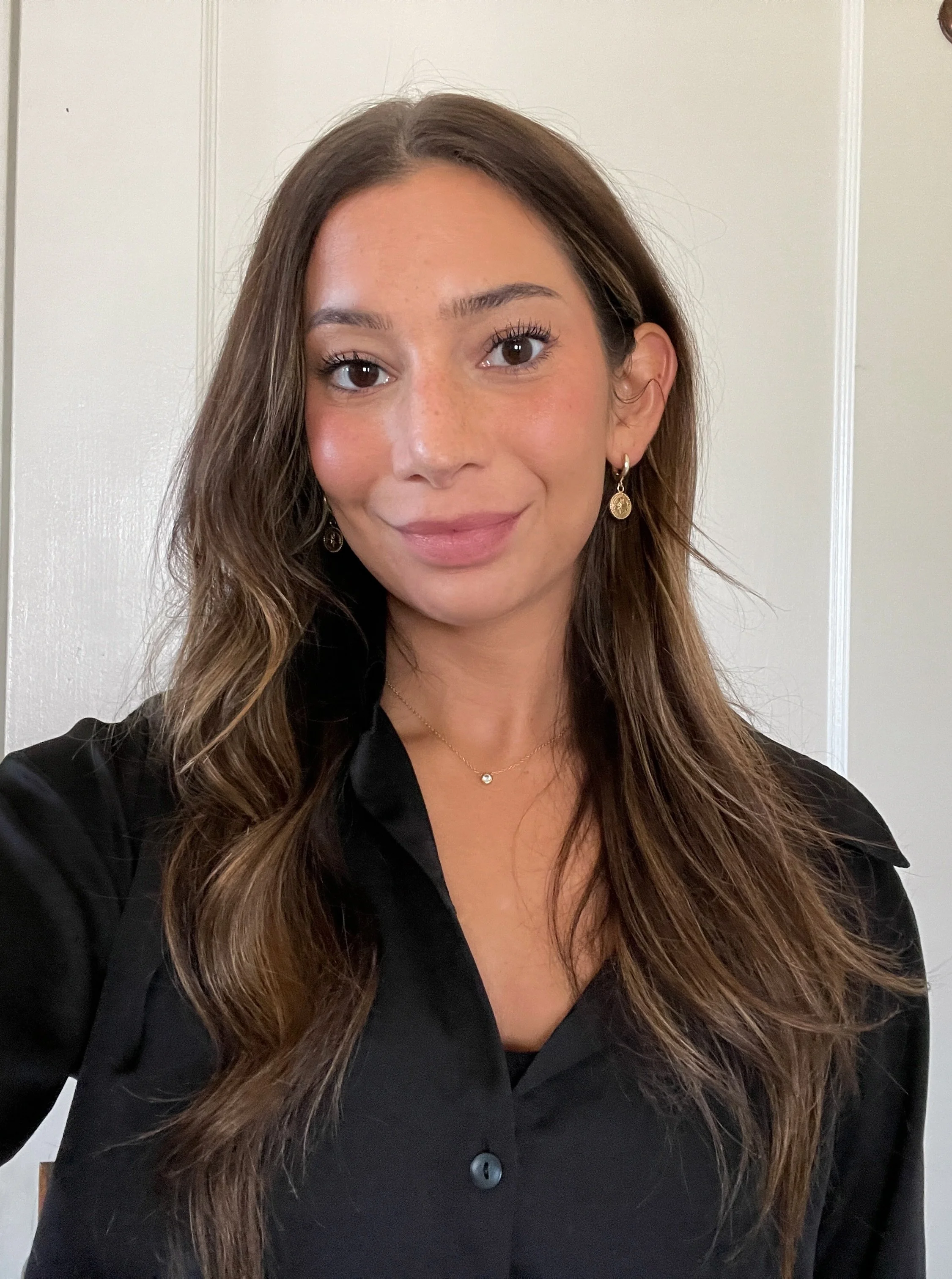
Meet Our Substance Use and Addiction Therapists
Select any therapist to view their full bio and request an appointment.
Google Reviews
Anonymous Client Testimonials
Frequently Asked Questions
-
No. You don't need to have stopped, or even be sure you want to stop. Many people start therapy because they are curious about their relationship with a substance or habit or want help cutting back, and your therapist will work with the goals you choose.
-
If it's affecting your health, your relationships, your finances, your work, or how you feel about yourself, it is worth talking about. You don't have to hit rock bottom or meet a certain threshold to deserve support.
-
Online therapy is not an emergency service. If you or someone with you may be overdosing, call 911 right away. If you are having thoughts of suicide, call or text 988 to reach the 988 Suicide & Crisis Lifeline. For free, confidential help finding treatment for substance use any time of day, call the SAMHSA National Helpline at 1 (800) 662 4357. For gambling, call or text 1 (800) GAMBLER.
-
Yes. For many people, outpatient therapy is an effective part of recovery, especially when withdrawal can be managed safely and daily life is still mostly manageable. If you need a higher level of care, like an intensive outpatient program or residential treatment, we can help you find the right fit.
-
Yes. Medications for alcohol or opioid use work well alongside therapy, and many people do both at once.
-
Yes, insurance often covers therapy for substance use. Lotus accepts Anthem, BCBS, Aetna, Cigna, Carelon, Ascension, and many EAP plans. Private pay is available at $150 per session if you'd rather not use insurance.
Ready to Take the First Step?
You've already done something brave by looking for support. Our experienced therapists are here to help you move forward, at a pace that works for you. Reach out today to get matched with a therapist and schedule your first session.
Related Resources
Anxiety Therapy
Depression Therapy
Trauma Therapy
Cognitive Behavioral Therapy (CBT)
Dialectical Behavior Therapy (DBT)
Acceptance and Commitment Therapy (ACT)
Eye Movement Desensitization and Reprocessing (EMDR)
Cognitive Processing Therapy (CPT)
Motivational Interviewing (MI)
Trauma Informed Therapy
Person-Centered Therapy
Art Therapy
Integrative Therapy